Today
80°F
Sunny
SW 1 to 5 mph · 0% precip
Loading…
Today’s verdict
Clear.
 175 CFS+32Flow
 73°F−3°
175 CFS is right around its typical level for September — this stretch typically runs 35–201 CFS.
Wading tends to be more manageable at typical flows, but beds shift and cold water saps strength fast — read the water, stay within your limits, and check conditions on-site. You remain responsible for your own safety.
At 73°F, the water is above the trout-stress threshold — consider resting the fish until it cools.
Weather
82°FClear
Wind W 5 mph
Sunrise 7:03 AM · Sunset 7:30 PM
Observed (2 hours ago)
NWS / weather.gov · fetched 14:00
Today
80°F
Sunny
SW 1 to 5 mph · 0% precip
Tonight
61°F
Mostly Clear then Areas Of Fog
S 1 to 12 mph · 0% precip
Tomorrow
84°F
Areas Of Fog then Sunny
W 0 to 7 mph · 5% precip
Fly recommendations are paused — water temperature is above 68°F. Don't fish stressed trout — please check on-site before deciding. (current: 73°F)
Conditions are estimates from USGS data. Always assess on-site conditions and use your own judgment.
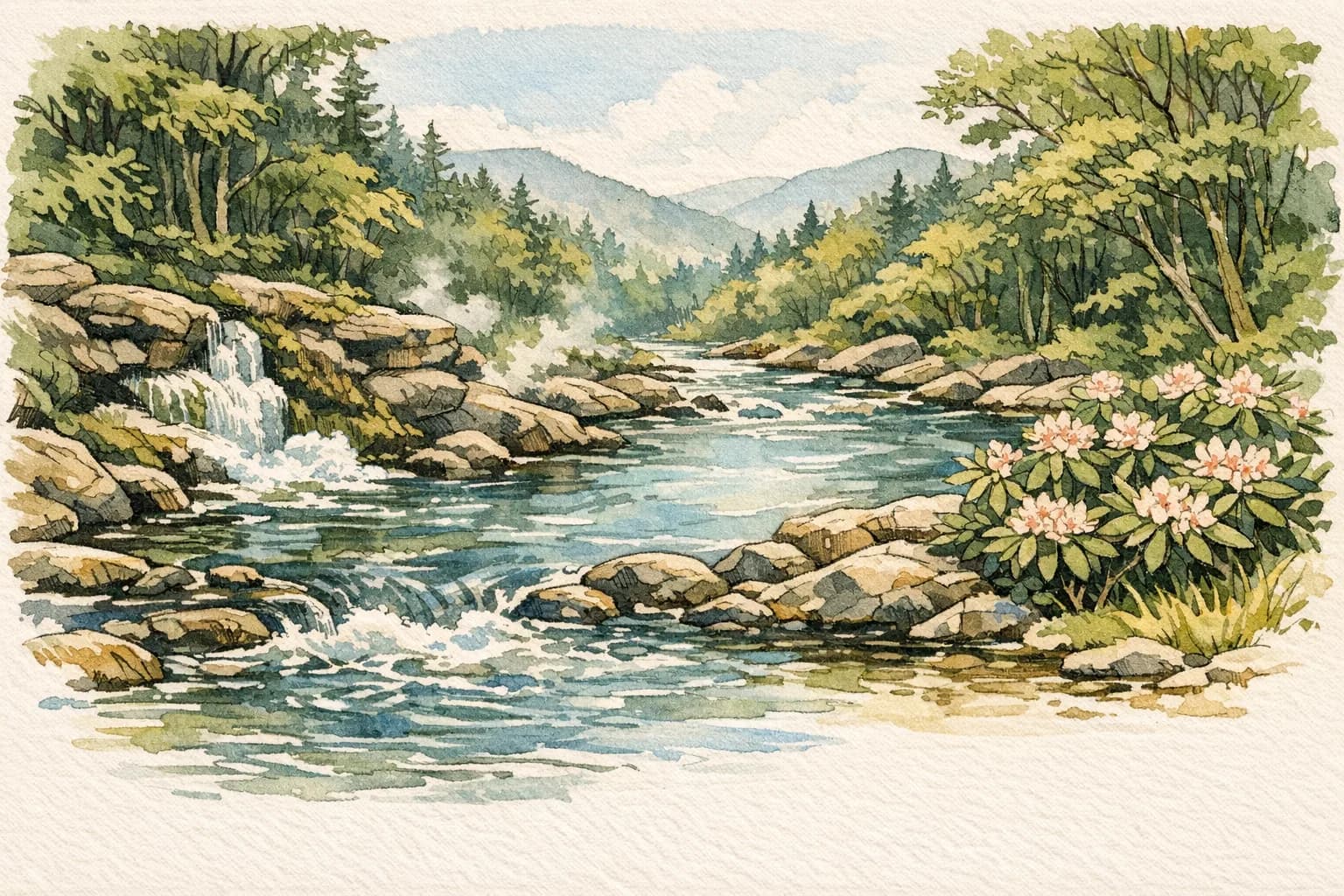
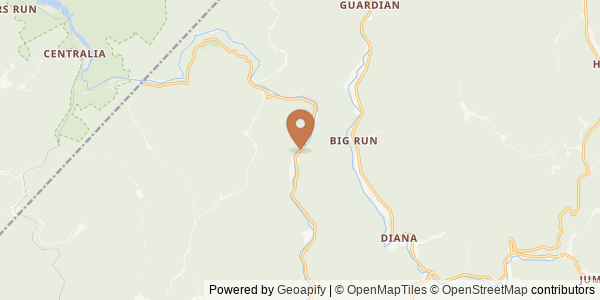
The gauge below Webster Springs reads the upper Elk, the limestone-influenced freestone-and-spring water that holds wild and holdover trout through West Virginia's catch-and-release sections. It carries both flow and water temperature, so the conditions reflect the water you'll fish.
Location
© OpenStreetMap contributors · © Geoapify
Helpful Links
West Virginia fishing resources
Spring-influenced West Virginia trout river with limestone productivity, deep runs and clear technical water. Target species include Rainbow and brown trout, with stocked trout in some reaches. Public access is limited in places and private fishing operations control some prime water. Productive timing is Spring and fall, with winter tailwater or spring-fed opportunities. Major hatches and foods include Midges, BWOs, caddis, sulphurs, craneflies and terrestrials. Common approaches are Small nymphs, dry flies and streamers in deeper pools and undercut banks. Regulations, access rules and water conditions vary by reach, so anglers should review current agency information and the linked local reports before fishing.
 80° / 61°Weather