Today
69°F
Sunny
S 3 mph · 0% precip
Loading…

Today’s verdict
Current River Conditions
As of (14 days ago)
This intel is a couple of weeks old — conditions may have shifted.
As of ~2 weeks ago, the river was fishing well.
The Farmington is running at a normal level with clear water right now, which is about as good as it gets for late summer conditions. Hatches have been consistent, and anglers who got out this past week came back with solid catch reports.
Blue-winged Olives, midges, Green Sedge Caddis, and Brown Drakes are all on the menu right now, along with terrestrials like ants and hoppers along the banks. Sculpin and articulated streamers are worth throwing for the bigger browns.
Hatches
184 CFS is right around its typical level for September — this stretch typically runs 67–215 CFS.
Wading tends to be more manageable at typical flows, but beds shift and cold water saps strength fast — read the water, stay within your limits, and check conditions on-site. You remain responsible for your own safety.
At 58°F, the water is in the prime range for trout — cold enough to fish and to handle fish safely.
Weather
72°FClear
Wind S 5 mph
Sunrise 6:31 AM · Sunset 7:02 PM
Observed (1 hour ago)
NWS / weather.gov · fetched 15:00
Today
69°F
Sunny
S 3 mph · 0% precip
Tonight
51°F
Mostly Clear then Patchy Fog
S 3 mph · 2% precip
Tomorrow
78°F
Patchy Fog then Mostly Sunny
SW 1 to 5 mph · 4% precip
Affiliate disclosure — RiverUpdate earns a commission when you buy through these links. As an Amazon Associate we earn from qualifying purchases. Disclosures.

Size #16
Size #8
Size #20-22
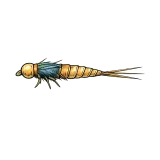
Size #20-22
Conditions are estimates from USGS data. Always assess on-site conditions and use your own judgment.
The Riverton gauge reads the West Branch of the Farmington below the Hogback and Colebrook dams — the cold Connecticut tailwater that fishes well year-round for wild and holdover trout. It carries both flow and water temperature, so the conditions reflect that tailwater. Fly intel here comes from a single source, so it's lighter than on our multi-source rivers.
Location
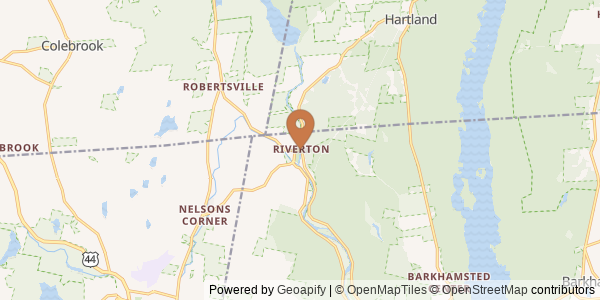
© OpenStreetMap contributors · © Geoapify
Helpful Links
Connecticut fishing resources
Cold Connecticut tailwater below Colebrook and West Branch reservoirs, known for long pools and selective trout. Target species include Wild and stocked brown and rainbow trout. Excellent public access and extensive walk-and-wade water, including special-regulation areas. Productive timing is Year-round, with April through June and September through November most comfortable. Major hatches and foods include Midges, BWOs, Hendricksons, caddis, sulphurs, March Browns and isonychia. Common approaches are Small nymphs, emergers and precise dries; streamers in higher water and fall. Regulations, access rules and water conditions vary by reach, so anglers should review current agency information and the linked local reports before fishing.
Tactics
 184 CFSFlow
 58°FWater temp
 69° / 51°Weather
Size #20-22
Size #20-22
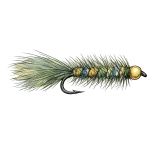
Size #4-6