Today
68°F
Sunny
S 5 mph · 1% precip
Loading…
Today’s verdict
Current River Conditions
As of (13 days ago)
This intel is a couple of weeks old — conditions may have shifted.
As of ~2 weeks ago, conditions were tough.
The Delaware has been in a tough late-summer stretch. A pair of storms recently pushed the Beaverkill up dramatically, muddying the main river for a full day, and thunderstorm watches have been keeping anglers off the water in the evenings. Rising fish have been genuinely hard to locate — finding a net has been easier than finding a feeding trout.
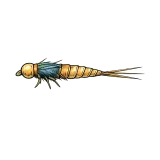
Tricos were the focus on the morning session, with the spinner fall drawing attention early in the day. Small olives have also been showing up, and the cooler overnight temps dropping into the fifties have been a welcome sign that conditions may be shifting toward fall. Dry fly fishing remains the game here, but refusals and drag are the main obstacles — getting a clean drift on these educated fish is everything.
Hatches
727 CFS is right around its typical level for September — this stretch typically runs 278–929 CFS.
Wading tends to be more manageable at typical flows, but beds shift and cold water saps strength fast — read the water, stay within your limits, and check conditions on-site. You remain responsible for your own safety.
At 58°F, the water is in the prime range for trout — cold enough to fish and to handle fish safely.
Weather
66°FClear
Wind S 9 mph
Sunrise 6:41 AM · Sunset 7:11 PM
Observed (1 hour ago)
NWS / weather.gov · fetched 15:00
Today
68°F
Sunny
S 5 mph · 1% precip
Tonight
54°F
Partly Cloudy
S 6 mph · 6% precip
Tomorrow
77°F
Partly Sunny
SW 3 mph · 10% precip
Affiliate disclosure — RiverUpdate earns a commission when you buy through these links. As an Amazon Associate we earn from qualifying purchases. Disclosures.

Size #16-18
Size #14-16
Size #10-12
Conditions are estimates from USGS data. Always assess on-site conditions and use your own judgment.
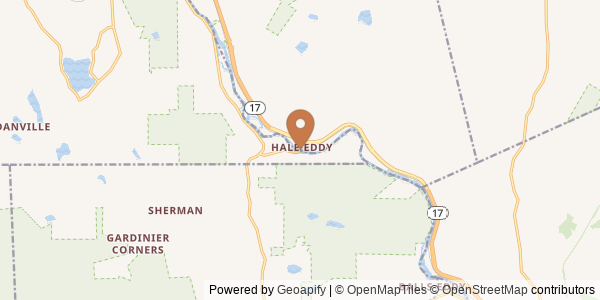
The Hale Eddy gauge reads the West Branch of the Delaware near Hancock — the cold tailwater released from Cannonsville Reservoir that holds wild browns and the sulfur hatches Eastern anglers travel for. It carries both flow and water temperature, the load-bearing read on a tailwater whose cold-water releases make or break the summer fishing. This is the West Branch specifically; the warmer East Branch is a separate fishery.
Location
© OpenStreetMap contributors · © Geoapify
Helpful Links
New York fishing resources
Upper Delaware tailwater system of the West, East and main branches; broad pools, riffles and technical wild-trout water. Target species include Wild brown and rainbow trout. Roadside and public access exists, but a drift boat is best for covering the larger branches. Productive timing is April through June and September through November; summer depends on cold-water releases. Major hatches and foods include Hendricksons, March Browns, sulphurs, green drakes, caddis, isonychia and olives. Common approaches are Precise dry flies, emergers and long-leader nymphing; streamers during higher or stained water. Regulations, access rules and water conditions vary by reach, so anglers should review current agency information and the linked local reports before fishing.
Tactics
 727 CFS−99Flow
 58°F−2°Water temp
 68° / 54°Weather
Size #12-14

limited recent reports — best signal we have within 60 days