Today
63°F
Sunny
SW 3 to 7 mph · 0% precip
Loading…
Today’s verdict
Conditions reported — a big 44°F swing through the day.
 190 CFSFlow
 62°F+1°Water temp
190 CFS is on the low side for September — this stretch typically runs 235–286 CFS.
With flows lower than usual, wading is generally easier and more forgiving — but beds still shift and cold water saps strength fast, so read the water, stay within your limits, and check conditions on-site. You remain responsible for your own safety.
At 62°F, the water is in the prime range for trout — cold enough to fish and to handle fish safely.
Weather
57°F
Wind ESE 6 mph
Sunrise 7:02 AM · Sunset 7:34 PM
Observed (1 hour ago)
NWS / weather.gov · fetched 13:00
Today
63°F
Sunny
SW 3 to 7 mph · 0% precip
Tonight
27°F
Mostly Clear
SSE 0 to 5 mph · 0% precip
Tomorrow
71°F
Sunny
S 0 to 3 mph · 4% precip
Affiliate disclosure — RiverUpdate earns a commission when you buy through these links. As an Amazon Associate we earn from qualifying purchases. Disclosures.
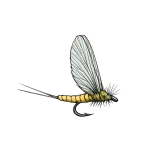
Size #16-18

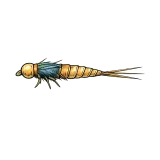
Size #12-14
limited recent reports — best signal we have within 60 days
Conditions are estimates from USGS data. Always assess on-site conditions and use your own judgment.
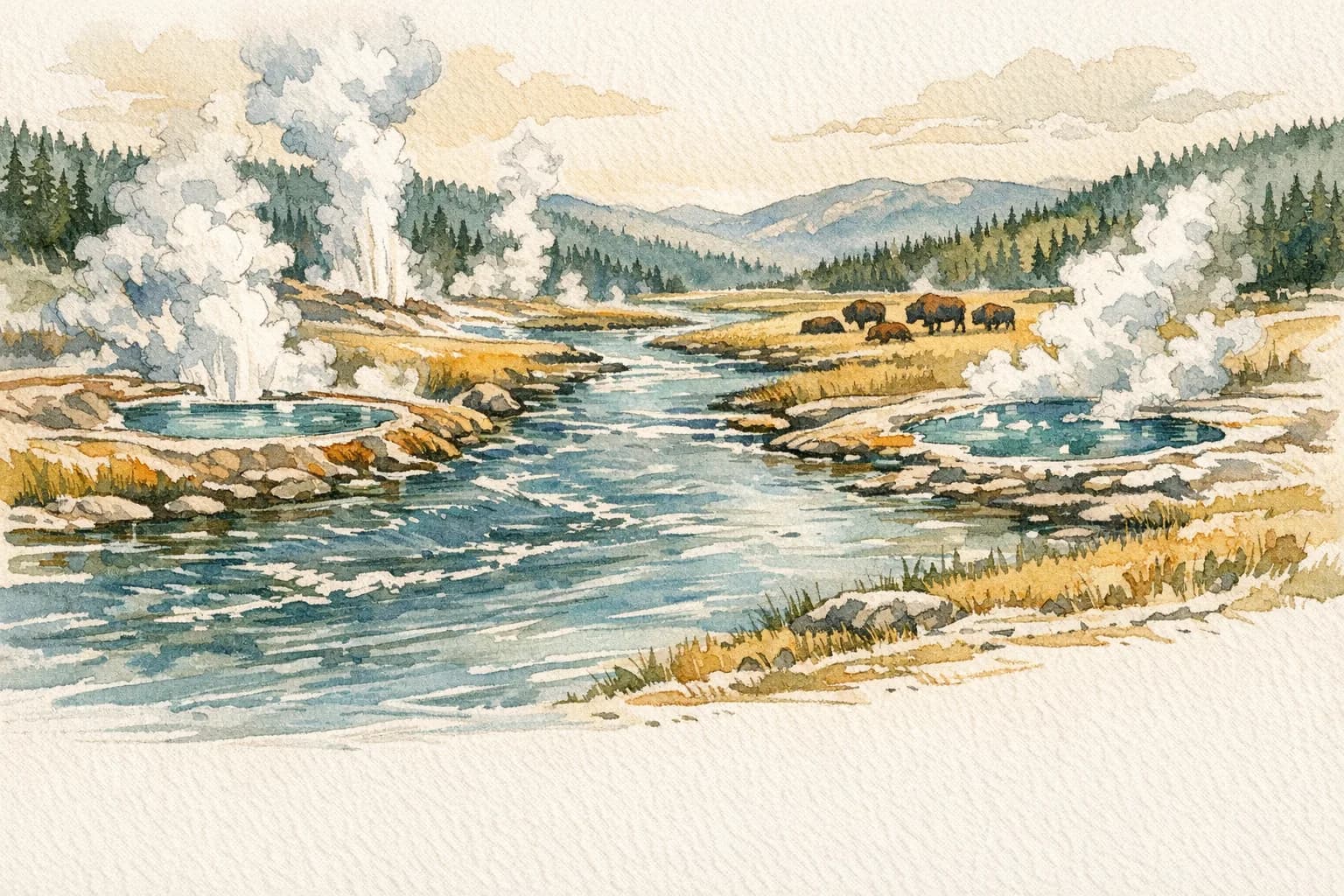
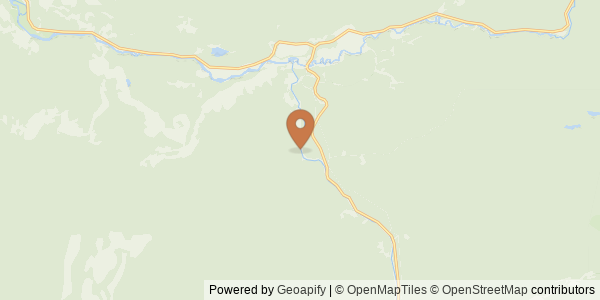
The gauge near West Yellowstone reads the Firehole as it runs through Yellowstone's geyser basins, so its water temperature runs warm by nature — the river is fed by geothermal runoff and routinely sits in the high 60s even in good fishing weather. It's a seasonal national-park fishery, fished in spring and fall and closed mid-summer when the water gets too warm, so a warm reading here is a real signal about the river, not a gauge error. It carries both flow and water temperature — the complete read this unusual water needs.
Location
© OpenStreetMap contributors · © Geoapify
Helpful Links
Wyoming fishing resources
Other Wyoming rivers with live conditions
Unusual Yellowstone meadow river warmed by geothermal features, with smooth currents and classic wet-fly water. Target species include Brown and rainbow trout. Excellent roadside and trail access; fishing is wade-only under park regulations. Productive timing is Park opener through June, then again in September and October after cooling. Major hatches and foods include Caddis, PMDs, BWOs, white miller caddis and soft-hackle opportunities. Common approaches are Swinging soft hackles, careful dry flies and light nymphing; avoid warm midsummer water. Regulations, access rules and water conditions vary by reach, so anglers should review current agency information and the linked local reports before fishing.