Today
70°F
Sunny
N 0 to 3 mph · 1% precip
Loading…
Today’s verdict
Conditions reported — a big 31°F swing through the day.
 416 CFS+38Flow
 52°F−3°
416 CFS is on the low side for September — this stretch typically runs 419–734 CFS.
With flows lower than usual, wading is generally easier and more forgiving — but beds still shift and cold water saps strength fast, so read the water, stay within your limits, and check conditions on-site. You remain responsible for your own safety.
At 52°F, the water is in the prime range for trout — cold enough to fish and to handle fish safely.
Weather
59°F
Wind SE 3 mph
Sunrise 7:03 AM · Sunset 7:37 PM
Observed (1 hour ago)
NWS / weather.gov · fetched 13:00
Today
70°F
Sunny
N 0 to 3 mph · 1% precip
Tonight
39°F
Partly Cloudy
N 5 mph · 1% precip
Tomorrow
70°F
Sunny
N 5 mph · 1% precip
Affiliate disclosure — RiverUpdate earns a commission when you buy through these links. As an Amazon Associate we earn from qualifying purchases. Disclosures.

Conditions are estimates from USGS data. Always assess on-site conditions and use your own judgment.
The Logan gauge down near the Missouri confluence is the only Gallatin station reporting water temperature, so it's the one that can tell you whether the river's too warm to fish. The famous canyon water up near Big Sky is flow-only; rather than ship a reading that can't flag warm water, we read conditions from the temperature-bearing Logan gauge on the lower river and name the tradeoff honestly.
Location
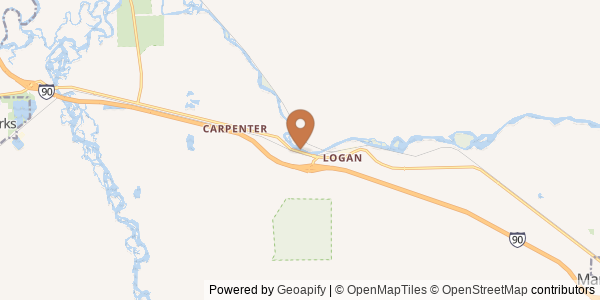
© OpenStreetMap contributors · © Geoapify
Helpful Links
Montana fishing resources
Other Montana rivers with live conditions
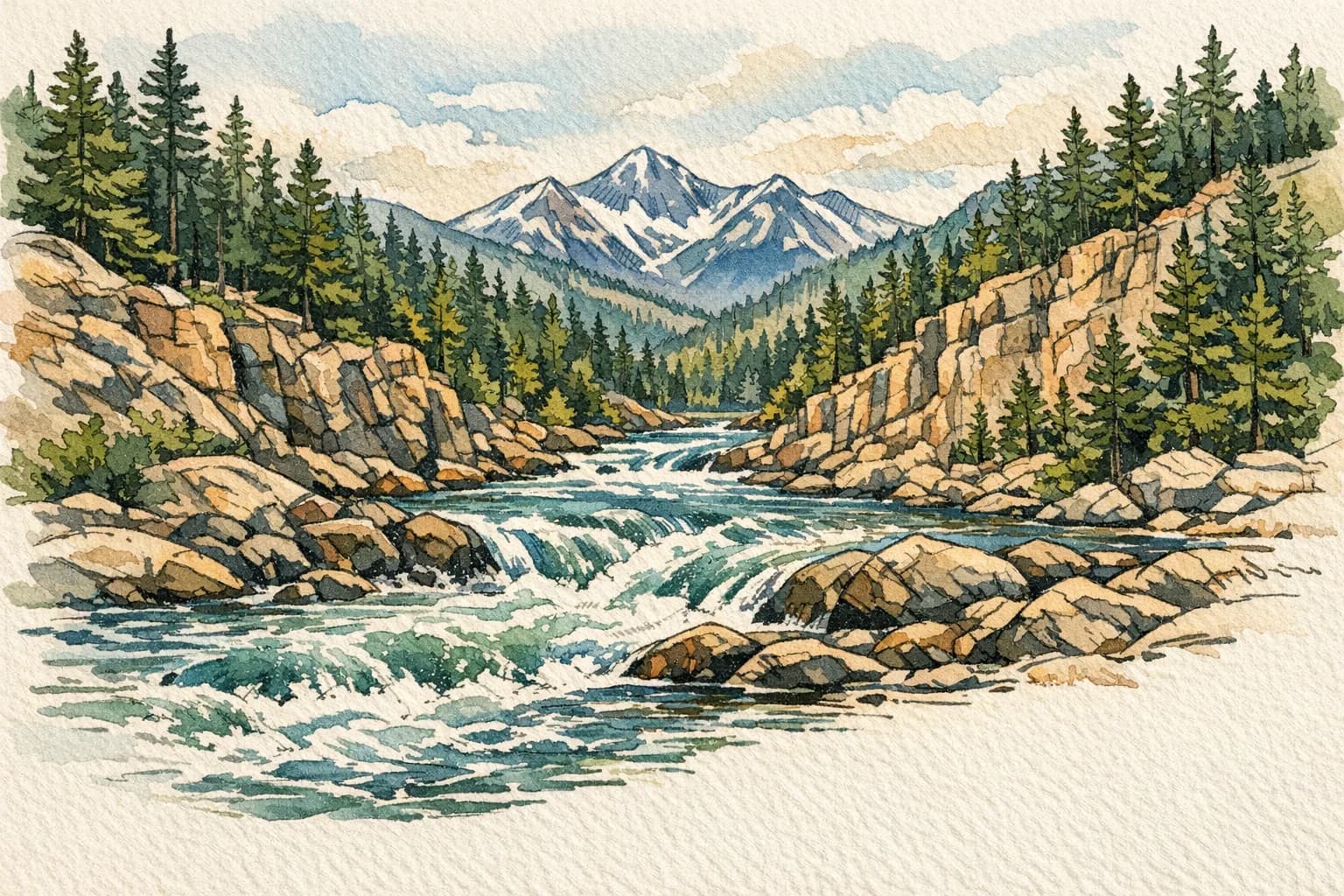
Scenic Montana freestone flowing from Yellowstone through Gallatin Canyon into broad valley water. Target species include Rainbow, brown and cutthroat trout, plus whitefish. Highway 191 provides excellent canyon access; much of the upper river is wade-fishing only. Productive timing is After runoff from late June through fall, with selected winter opportunities. Major hatches and foods include Salmonflies, golden stones, PMDs, caddis, yellow sallies and terrestrials. Common approaches are Pocket-water nymphing and dry-dropper rigs; streamers in deeper canyon runs. Regulations, access rules and water conditions vary by reach, so anglers should review current agency information and the linked local reports before fishing.
 70° / 39°Weather