Today
69°F
Mostly Sunny
E 3 to 9 mph · 2% precip
Loading…
Today’s verdict
Current River Conditions
As of (14 days ago)
This intel is a couple of weeks old — conditions may have shifted.
As of ~2 weeks ago, the river was fishing well.
The Missouri is fishing well right now, though you need to stay on your toes. Hopper and ant fishing has been the main surface game through the middle of the day, while pseudos (baby BWOs) are pulling fish up on cooler mornings and overcast stretches. Rising fish tend to be localized and don't linger, so when you spot one, get a clean first cast — a blown presentation is the quickest way to end the party.
Weeds are a real factor; plan on cleaning your fly regularly, especially on the dry fly.
Flows are low and stable, which is good news for wading and presentation, but the weed situation is real — streamers in particular are a chore with weeds fouling every few casts. Nymphing is actually holding up well and improving as nights cool down. The mornings have been the prime window for both dries and nymphs, with the afternoon bite slowing a bit on the subsurface side.
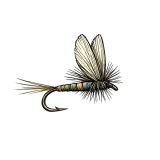
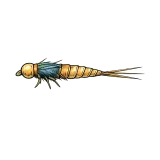
On the surface, Henneberry and Morrish hoppers are the go-to, with a small ant as a backup when fish get picky. For the pseudo hatch, CDC-based cripples fished in the film are the move — drift matters more than exact pattern. Sub-surface, a zirdle bug or crayfish pattern up top with a Frenchie, zebra midge, or tailwater sowbug trailing behind has been dialed in, set 4–5 feet under an indicator with a split shot.
3,180 CFS is on the low side for September — this stretch typically runs 3,230–4,600 CFS.
With flows lower than usual, wading is generally easier and more forgiving — but beds still shift and cold water saps strength fast, so read the water, stay within your limits, and check conditions on-site. You remain responsible for your own safety.
At 62°F, the water is in the prime range for trout — cold enough to fish and to handle fish safely.
Weather
58°F
Wind SE 10 mph
Sunrise 7:05 AM · Sunset 7:40 PM
Observed (1 hour ago)
NWS / weather.gov · fetched 13:00
Today
69°F
Mostly Sunny
E 3 to 9 mph · 2% precip
Tonight
46°F
Mostly Cloudy
N 6 to 12 mph · 4% precip
Tomorrow
64°F
Slight Chance Light Rain then Mostly Sunny
N 6 to 9 mph · 15% precip
Affiliate disclosure — RiverUpdate earns a commission when you buy through these links. As an Amazon Associate we earn from qualifying purchases. Disclosures.

Conditions are estimates from USGS data. Always assess on-site conditions and use your own judgment.
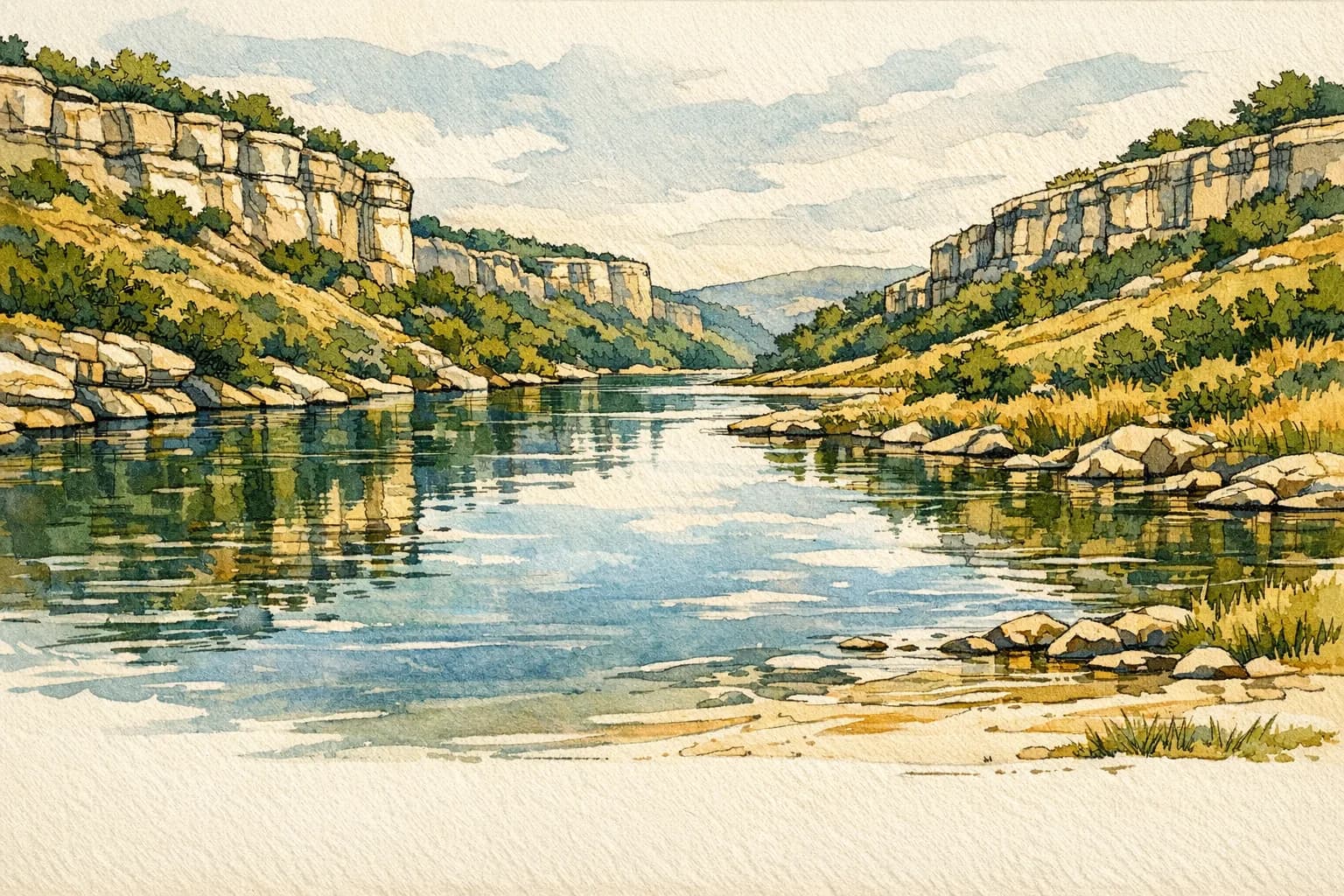
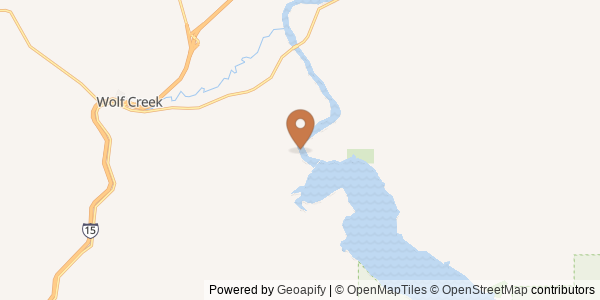
The gauge below Holter Dam sits at the head of the Craig tailwater — the technical dry-fly water with famous PMD and trico hatches that anglers from Helena and Great Falls target. It carries both flow and water temperature, so the read reflects the section you'll fish, not the reservoirs upstream.
Location
© OpenStreetMap contributors · © Geoapify
Helpful Links
Montana fishing resources
Other Montana rivers with live conditions
The Missouri below Holter Dam near Craig is a broad, productive tailwater renowned for high trout numbers and highly technical dry-fly fishing. Rainbow trout dominate, with brown trout also common. Its long flats, riffles, weed beds and deep runs are best covered by drift boat, although numerous fishing-access sites provide good walk-and-wade opportunities. Stable cold water supports year-round fishing. Midges and blue-winged olives drive winter and spring fishing, followed by caddis and PMDs in late spring and summer. Tricos become important in midsummer, with terrestrials and October caddis adding seasonal variety. Sight-fishing small dries to selective trout is the river’s signature experience, but short-leash nymphing over shallow flats and deeper indicator rigs remain more consistent. Sowbugs, scuds, worms, mayfly nymphs and caddis pupae are staples. Streamers can produce during cloudy weather and seasonal transitions. The river can become busy during prime hatches, and wind is a defining challenge, so early starts, late shifts and accurate presentations are useful.
The best nymph water has been faster riffles and deeper buckets, not the slow flats.
Hatches
Tactics
 3,180 CFSFlow
 62°FWater temp
 69° / 46°Weather
Size #6