Today
70°F
Sunny
ESE 9 to 15 mph · 0% precip
Loading…
Today’s verdict

Current River Conditions
As of (16 days ago)
This intel is a couple of weeks old — conditions may have shifted.
As of ~2 weeks ago, the river was fishing well.
The Bighorn is fishing really well right now — stable flows have kept things consistent, and anglers are finding action throughout the day. Surface activity has been a highlight, with good dry fly opportunities from morning through evening. Weeds are starting to show up on the lower sections, so plan on cleaning your flies occasionally.
Tricos are bringing fish up in the mornings, while PMDs and black caddis are the main dry fly players later in the day. Hoppers and ants have also been fooling fish on the surface here and there. Sub-surface, sowbugs, scuds, PMD nymphs, and zebra midges have been the go-to producers.
Hatches
1,600 CFS is on the low side for September — this stretch typically runs 1,920–3,050 CFS.
With flows lower than usual, wading is generally easier and more forgiving — but beds still shift and cold water saps strength fast, so read the water, stay within your limits, and check conditions on-site. You remain responsible for your own safety.
At 52°F, the water is in the prime range for trout — cold enough to fish and to handle fish safely.
Weather
66°F
Wind E 9 mph
Sunrise 6:49 AM · Sunset 7:22 PM
Observed (1 hour ago)
NWS / weather.gov · fetched 13:00
Today
70°F
Sunny
ESE 9 to 15 mph · 0% precip
Tonight
40°F
Areas Of Smoke then Partly Cloudy
NNE 3 to 15 mph · 0% precip
Tomorrow
69°F
Patchy Fog then Sunny
NNW 9 to 13 mph · 0% precip
Affiliate disclosure — RiverUpdate earns a commission when you buy through these links. As an Amazon Associate we earn from qualifying purchases. Disclosures.

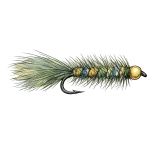
Size #16-18
Size #18

Conditions are estimates from USGS data. Always assess on-site conditions and use your own judgment.
The St. Xavier gauge is the only one in the Yellowtail tailwater reporting both flow and water temperature — so it's the one that can flag warm water. It sits in the cold, blue-ribbon section below Fort Smith, the high-trout-density water anglers float and wade.
Location
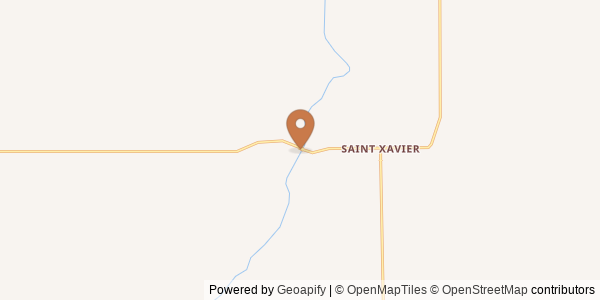
© OpenStreetMap contributors · © Geoapify
Helpful Links
Montana fishing resources
Other Montana rivers with live conditions
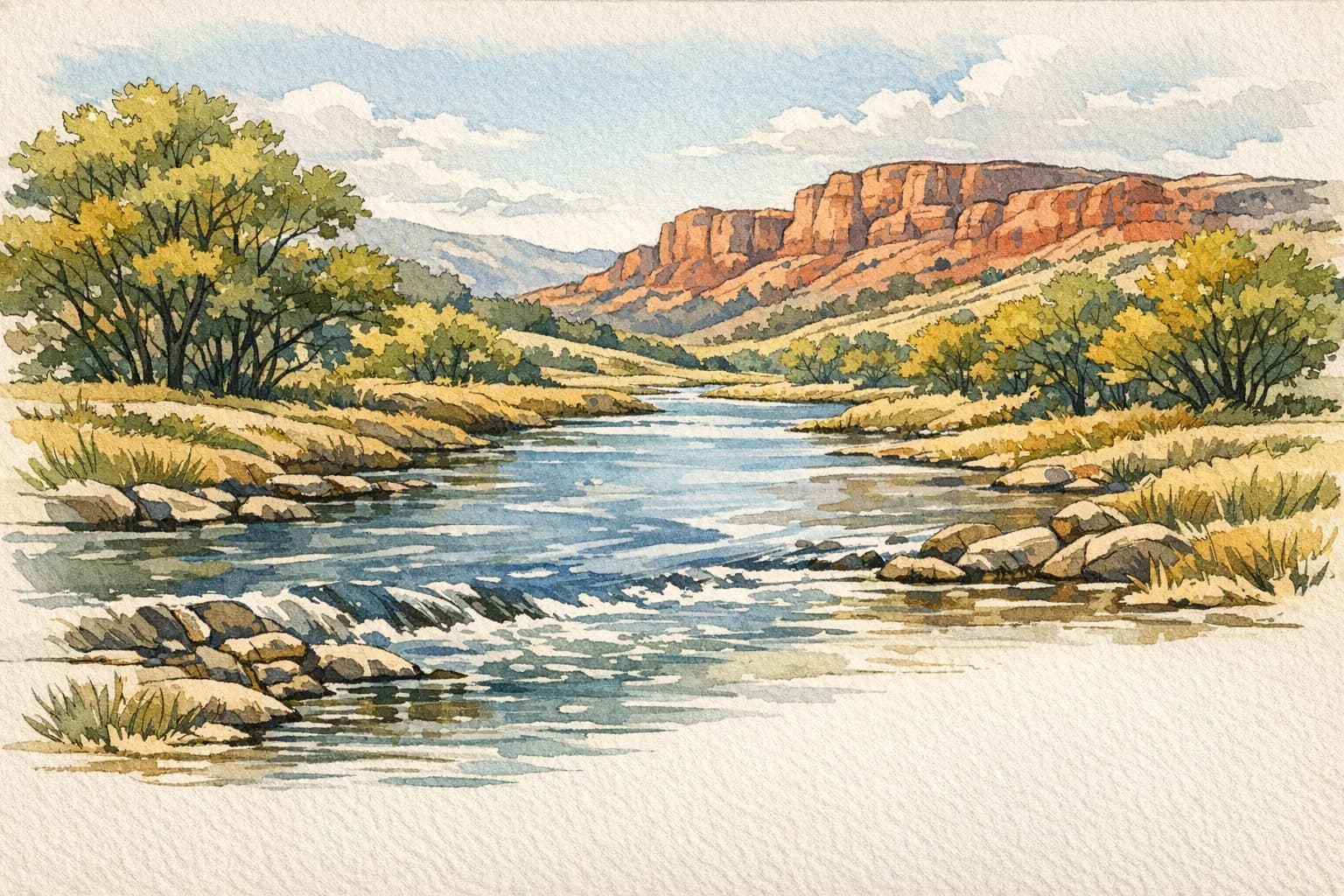
The Bighorn below Yellowtail and Afterbay dams is a cold, stable tailwater flowing through the Crow Reservation in southeastern Montana. It is famous for dense populations of wild rainbow and brown trout, consistent year-round feeding and long, controlled drifts. The river is primarily a float fishery because public bank access is limited to designated sites, although anglers can wade effectively around those accesses at suitable flows. Midges, sowbugs and scuds sustain trout through winter. BWOs and caddis become important in spring, followed by PMDs, yellow sallies and terrestrials during summer; fall brings renewed BWOs and streamer opportunities. Indicator nymphing with small flies is the most consistent technique. During strong hatches, selective trout rise in side channels, flats and slicks, requiring accurate casts, long leaders and fine tippet. Streamers can attract larger trout in cloudy weather or during seasonal transitions. Aquatic vegetation can complicate late-summer presentation, making clean lanes and careful line control important.
Tactics
 1,600 CFS−90Flow
 52°F−2°Water temp
 70° / 40°Weather