Today
69°F
Partly Sunny
NNW 3 mph · 0% precip
Loading…
Today’s verdict

Current River Conditions
As of (19 days ago)
This intel is a couple of weeks old — conditions may have shifted.
As of ~3 weeks ago, the river was fishing well.
The Bitterroot is fishing well right now, with terrestrial action being the main event. Fish are tucked tight to grassy banks, overhanging sweepers, and the edges of deep riffles, waiting for something to fall off the bank. Morning is the prime window, and the whole river is in play.
A hopper-dropper setup is the go-to move — throw a big foam dry tight to the bank and trail a nymph 18 to 24 inches below. For more technical fish sipping in slow bank seams at first light, downsize to a single low-profile ant or beetle. Keep an eye out for tricos on the lower end of the river.
Hatches
1,040 CFS is running a bit high for September — this stretch typically runs 617–960 CFS.
With flows up, footing gets less predictable — take extra care, scout your access, and turn back if it feels wrong. Conditions vary, and you are responsible for your own safety.
At 55°F, the water is in the prime range for trout — cold enough to fish and to handle fish safely.
Weather
55°FClear
Wind NNW 6 mph
Sunrise 7:13 AM · Sunset 7:48 PM
Observed (1 hour ago)
NWS / weather.gov · fetched 13:00
Today
69°F
Partly Sunny
NNW 3 mph · 0% precip
Tonight
41°F
Mostly Cloudy then Patchy Fog
NNW 0 to 3 mph · 4% precip
Tomorrow
75°F
Areas Of Fog then Sunny
N 0 to 3 mph · 2% precip
Affiliate disclosure — RiverUpdate earns a commission when you buy through these links. As an Amazon Associate we earn from qualifying purchases. Disclosures.


Conditions are estimates from USGS data. Always assess on-site conditions and use your own judgment.
The gauge near Missoula on the lower Bitterroot is the verified station carrying both flow and water temperature. The classic upper float water around Darby and Hamilton is flow-only, so we read conditions from the lower-river gauge — the one that can actually flag water too warm to fish — and say so plainly instead of substituting a flow-only upstream gauge.
Location
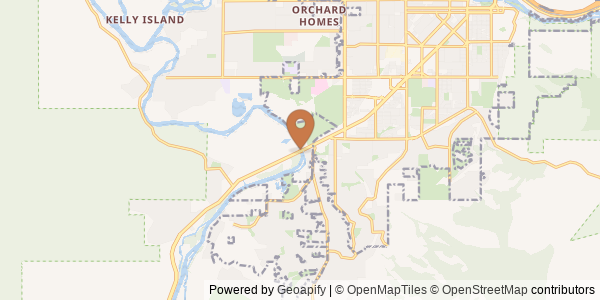
© OpenStreetMap contributors · © Geoapify
Helpful Links
Montana fishing resources
Other Montana rivers with live conditions
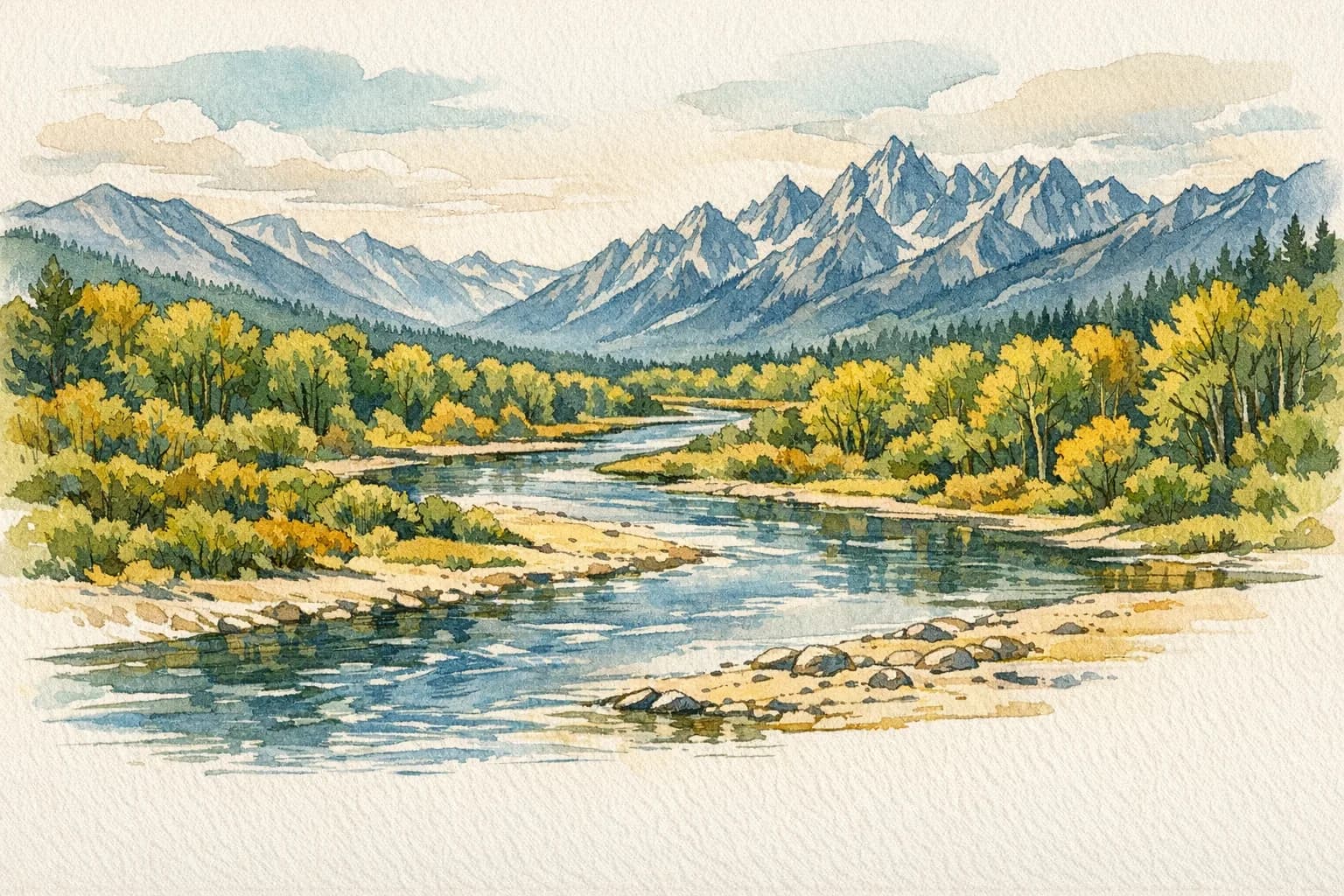
Broad western Montana freestone with braided channels, gentle gradients and famous spring dry-fly fishing. Target species include Rainbow, brown, cutthroat and cutbow trout. Many fishing-access sites; floating is ideal, while side channels offer good wading. Productive timing is March through May and July through October, depending on runoff and heat. Major hatches and foods include Skwalas, March Browns, caddis, PMDs, golden stones, hoppers and mahogany duns. Common approaches are Dry flies and dry-droppers are signatures; nymphs and streamers cover changing flows. Regulations, access rules and water conditions vary by reach, so anglers should review current agency information and the linked local reports before fishing.
Tactics
 1,040 CFSFlow
 55°F−2°Water temp
 69° / 41°Weather