Today
73°F
Chance Rain Showers
N 3 to 12 mph · 29% precip
Loading…
Today’s verdict
Current River Conditions
As of (16 days ago)
This intel is a couple of weeks old — conditions may have shifted.
As of ~2 weeks ago, the river was fishing well.
The Lower Deschutes is fishing well right now for trout, with the river seeing light pressure and good action throughout the day. Nymphing is the primary game — a stonefly pattern up top with a caddis, PMD, or perdigon dropper below is the classic setup that's been producing consistently. The Warm Springs to Trout Creek stretch has been particularly productive, with good nymphing all day long.
Evenings are where the dry fly action comes alive — a caddis hatch kicks off around 6pm and runs until dark, with fish rising reliably to tan and smaller black caddis patterns. Outside of that window, don't expect much topwater action. Stonefly nymphs, caddis pupa, and perdigons are the workhorses during daylight hours.
Hatches
3,690 CFS is right around its typical level for September — this stretch typically runs 3,660–4,090 CFS.
Wading tends to be more manageable at typical flows, but beds shift and cold water saps strength fast — read the water, stay within your limits, and check conditions on-site. You remain responsible for your own safety.
At 57°F, the water is in the prime range for trout — cold enough to fish and to handle fish safely.
Weather
55°F
Wind N 0 mph
Sunrise 6:43 AM · Sunset 7:15 PM
Observed (2 hours ago)
NWS / weather.gov · fetched 12:01
Today
73°F
Chance Rain Showers
N 3 to 12 mph · 29% precip
Tonight
50°F
Chance Rain Showers
N 5 to 12 mph · 29% precip
Tomorrow
74°F
Sunny
N 8 to 17 mph · 3% precip
Affiliate disclosure — RiverUpdate earns a commission when you buy through these links. As an Amazon Associate we earn from qualifying purchases. Disclosures.
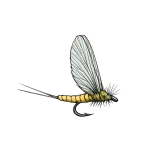
Size #20-22
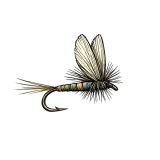
Size #16
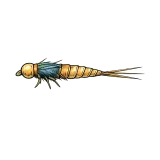
Conditions are estimates from USGS data. Always assess on-site conditions and use your own judgment.
The gauge near Madras reads the lower Deschutes — the big-water trout and summer-steelhead reach anglers wade and float between Warm Springs and Maupin. It carries both flow and water temperature, so the conditions reflect the canyon water you'll actually fish, not the reservoirs above it.
Location
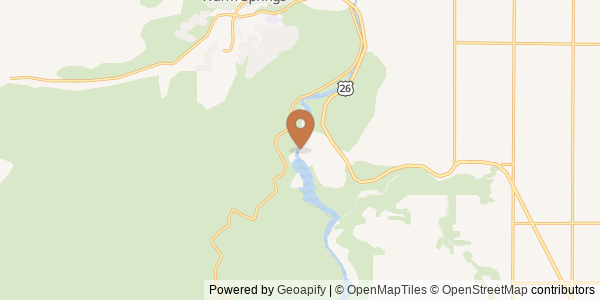
© OpenStreetMap contributors · © Geoapify
Helpful Links
Oregon fishing resources
Other Oregon rivers with live conditions
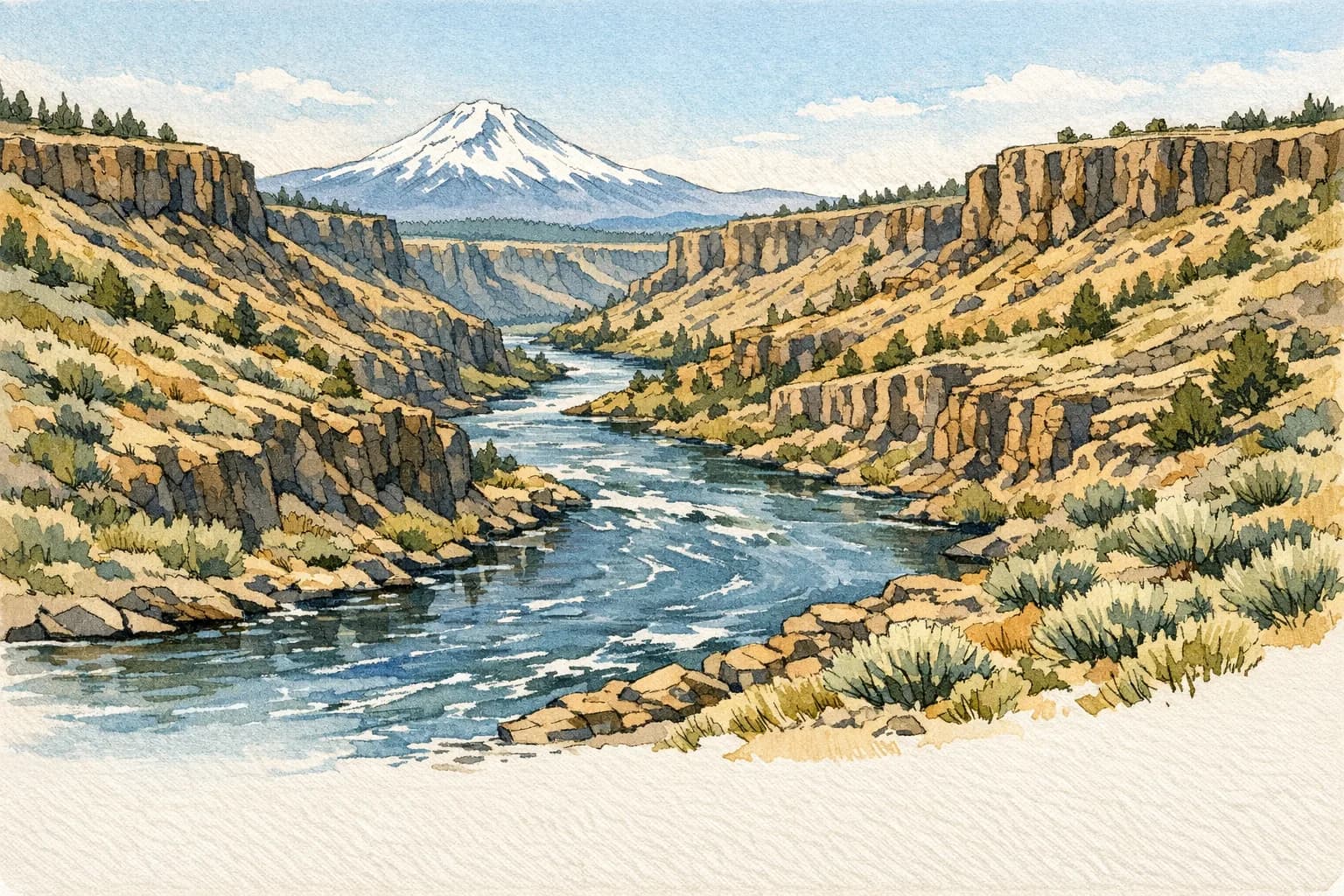
Oregon’s Lower Deschutes is a powerful canyon river famous for native redband rainbow trout—locally called redsides—and summer steelhead. Its swift currents, basalt banks and limited road access give it a rugged character. Trout fishing is available through much of the year, subject to current regulations and seasonal closures, while summer steelhead typically enter from July onward and are most widely distributed in fall. The signature trout event is the salmonfly and golden-stone hatch from May into early June. Caddis dominate many summer evenings, with PMDs, BWOs, midges and October caddis filling other seasonal windows. Trout anglers commonly use stonefly nymphs, caddis pupae, dry-dropper rigs and careful bank presentations; the strong current rewards heavy leaders and precise mending. Swinging wet flies or traditional steelhead patterns with single- or two-handed rods is the classic approach for steelhead. Floating is often the best way to reach productive water, but fishing from the boat is restricted on much of the lower river, so anglers stop and fish from shore.
Tactics
 3,690 CFSFlow
 57°FWater temp
 73° / 50°Weather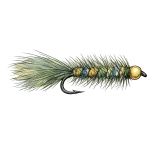
limited recent reports — best signal we have within 60 days